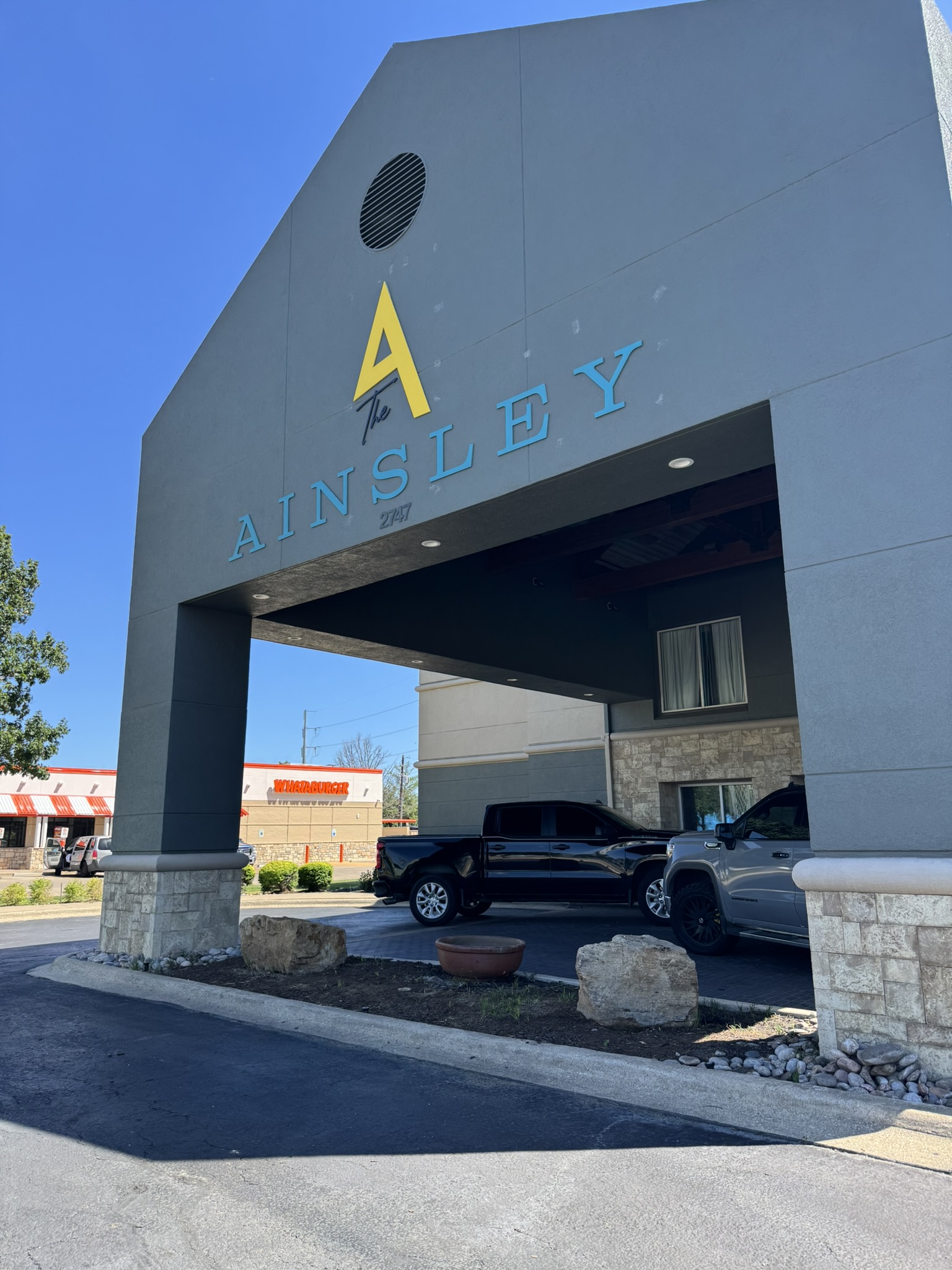


How Do Hotel-to-Apartment Conversions Mitigate Risk for Investors?
Short answer: A hotel-to-apartment conversion reuses a building that already stands, so it avoids much of the land, foundation, and structural work, and the long schedule, that make ground-up development risky. Once the work is finished, apartment leases replace nightly room bookings, which generally makes income easier to predict. Conversions do not remove risk. They trade construction risk for change-of-use, building-condition, and lease-up risk, and those risks depend heavily on the sponsor. Sage Investment Group, a Kirkland, Washington sponsor, has built a portfolio of 32 properties and 2,999 units across six states through about 30 hotel-to-apartment conversions. Its conversions typically take 6–12 months.
This guide explains which risks a conversion can reduce, which risks it adds, what to check in a distressed hotel fund, and the questions to ask any conversion sponsor before you invest.
Risks a Conversion Can Reduce
1. Construction and schedule risk
Ground-up projects carry years of exposure to rising material and labor costs, interest rates, and permitting delays before any rent comes in. A conversion starts with the structure, utilities, corridors, elevators, and parking already in place. The work goes into kitchens, finishes, building systems, and residential amenities. A shorter schedule means less time for costs and financing conditions to move against the project. Sage's conversions typically take 6–12 months from start to finish.
2. Purchase-price risk
Underperforming hotels are often priced on weak hotel income. A sponsor who buys at that price and converts the building to apartments starts with a cost basis tied to the hotel's problems, not to the cost of building new. The cushion only exists if the all-in cost (purchase plus renovation plus financing) stays well below what comparable apartments are worth. Ask the sponsor to show that comparison for each deal.
3. Income volatility
Hotel revenue moves every night with travel demand, seasons, and the economy. Apartments are leased month to month or year to year, so occupancy and rent tend to change more slowly. After stabilization, a converted property is underwritten like an apartment building, with a longer track record of rents and expenses to rely on.
4. Demand risk
Many markets are short on housing that working households can afford. Converted hotels usually become studios and one-bedroom apartments near jobs and transit, which matches a large group of renters who are underserved by new Class A buildings. (See Why Workforce Housing Stays Scarce.)
5. Single-use risk
A hotel that only works as a hotel depends on the travel market recovering. A building that can work as housing gives the owner a second path. That is part of why sponsors focus on hotels that are physically suited to apartments rather than any distressed hotel.
Risks a Conversion Adds or Keeps
- Zoning and change of use. Residential use may not be allowed by right. Approvals can take time or come with conditions.
- Building condition. Plumbing, electrical, HVAC, roofs, and fire and life-safety systems can hide costly problems. Residential codes can trigger upgrades the hotel never needed.
- Layout fit. Not every hotel room becomes a good apartment. Room depth, windows, and plumbing locations matter.
- Renovation overruns. Adding kitchens to every unit is the largest scope item, and surprises are common in older buildings.
- Lease-up. The local rental market has to support the projected rents, and filling a building takes time.
- Financing. Lenders often treat a property in transition differently from a stabilized apartment building, so more equity may be needed during renovation.
- Liquidity. Private real estate offerings are illiquid. Plan to hold for the full term, with no assurance of an early exit.
- Sponsor execution. Results depend on the team's experience with acquisitions, construction, and property management.
What to Check in a Distressed Hotel Real Estate Fund
"Distressed hotel fund" covers very different strategies. Some funds buy hotels and keep running them as hotels. Others convert them to housing. Before investing, check:
- The business plan for each asset. Will the fund operate the hotel, reposition it, or convert it? Each has a different risk profile.
- Basis versus stabilized value. How much does the plan depend on renovation and lease-up going as projected?
- Leverage. How much debt is used, when does it mature, and what happens if renovation runs long?
- Track record. How many comparable projects has the team finished, and how did they perform against the original plan?
- Fees and alignment. What does the sponsor earn, and does the team invest its own money alongside investors?
- Reporting and distributions. How often will you get updates, and how are distributions decided?
- Diversification. Is your money in one building or spread across a portfolio of properties and markets?
For a fuller breakdown of asset, business plan, market, and fund-level risks, see our guide to distressed hotel fund risks.
Questions to Ask a Conversion Sponsor
- How many hotel-to-apartment conversions have you completed, and where?
- How long do your conversions typically take, from closing to the first leased unit?
- How do you choose which hotels to convert, and which ones do you pass on?
- What contingency is in the renovation budget, and what happens if it is used up?
- Who manages construction and the property after lease-up?
- What are the target returns, how are they calculated, and what could cause results to fall short?
- Can I see current values and stabilized value projections for the portfolio?
For a deeper checklist, see How to Evaluate a Real Estate Sponsor and Hotel Due Diligence Checklist.
How Sage Investment Group Approaches Conversion Risk
Sage Investment Group focuses only on hotel-to-apartment conversions for workforce housing. Its portfolio includes 32 properties and 2,999 units across six states, built through about 30 conversions. Sage reports a current portfolio value of $428M and a stabilized value of $482M. The gap between the two shows how much value depends on finishing renovations and leasing up, which is the main risk investors take in this strategy. Conversions typically take 6–12 months.
Sage targets an 18–25% IRR and 4–8% annual cash flow distributions for investors. These are targets, not guarantees. Actual results may be lower, distributions may be reduced or suspended, and investors can lose some or all of their investment.
To compare conversions with other options, see Hotel Conversion vs Ground-Up Development, Why Conversions, and Best Investments for Accredited Investors in 2026. To review the properties, visit the Sage portfolio or meet the team.
For a step-by-step overview of how a conversion works, see Hotel to Apartment Conversion: The Complete Guide.
Frequently Asked Questions
Are hotel-to-apartment conversions less risky than new construction?
They avoid some of the biggest risks of new construction, including a long schedule and full structural build. But they add others, such as change-of-use approvals, hidden building problems, and layout limits. Which approach carries less risk depends on the building, the market, and the sponsor.
How long does a hotel-to-apartment conversion take?
It depends on the building and the approvals needed. Sage Investment Group's conversions typically take 6–12 months.
What is the biggest risk in a hotel conversion?
For most projects, the biggest risks are building condition and lease-up: finding costly problems during renovation, or leasing units more slowly or at lower rents than planned. Careful due diligence and an experienced team reduce these risks but do not remove them.
Who can invest in Sage's conversion offerings?
Sage Investment Group's offerings are available only to verified accredited investors under SEC Regulation D, Rule 506(c). Contact Sage or visit Invest with Sage to learn more.
This article is for educational purposes only and is not an offer to sell or a solicitation of an offer to buy any security. Target returns and distributions are not guaranteed. All investments involve risk, including the possible loss of principal. Past performance does not guarantee future results.